
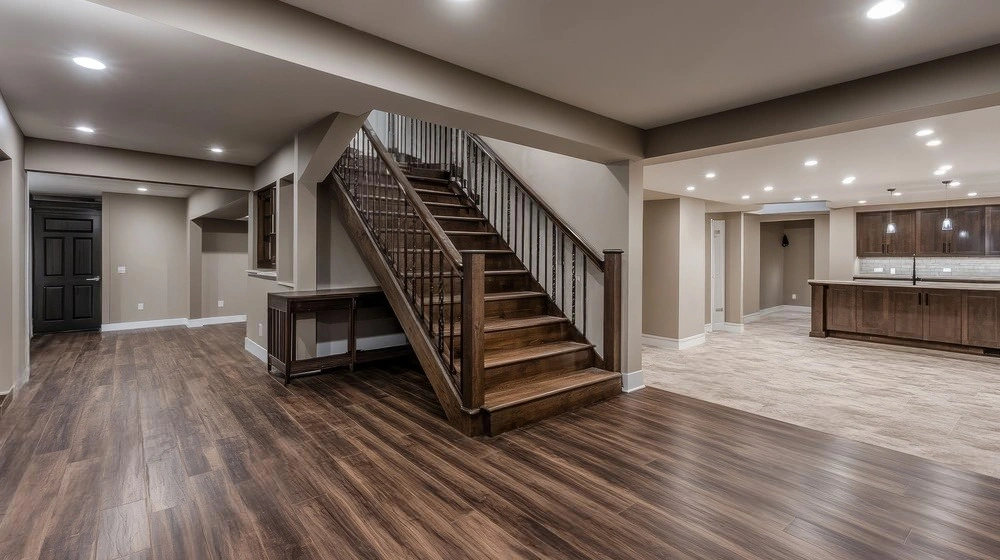
It’s a common question we hear all the time: “What’s the best flooring option for my basement?” And it’s a smart one to ask, too, because most of the time, the basement floorings are ignored like no other.
Unlike upper levels of the home, basements deal with constant moisture concerns, lower temperatures, and limited sunlight, conditions that can quickly ruin the wrong type of flooring. What works beautifully in your living room might buckle, warp, or grow mold downstairs.
That’s why you can not randomly pick any of the floorings to handle these conditions, but have to choose the most suitable one.
In this post, we’re going to walk you through exactly what you need to know before picking out basement flooring. Let’s find out which flooring is truly basement-approved.
1. Vinyl Plank Flooring – Waterproof, Realistic Wood-look
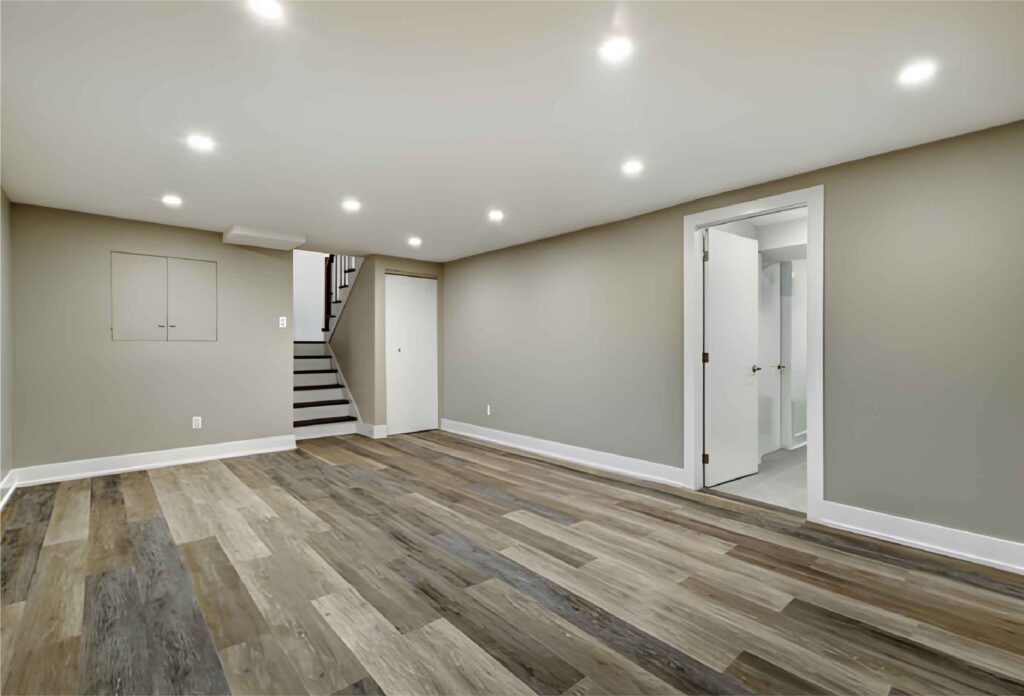
Best for: Finished basements, playrooms, home offices, or Moisture-prone below-grade areas
Waterproof vinyl plank flooring, often called luxury vinyl plank or LVP, has become a top pick for basements. Its layered structure includes a strong surface, a detailed printed design, and a core made of WPC or SPC. These cores handle water and moisture well. The materials used make it stable, even when basement conditions include dampness or pressure from the ground.
You can count on LVP to look like real hardwood without the problems that wood brings in wet areas. The boards connect using a click-lock system, which makes setup simple and quick. Many homeowners do it themselves, though professionals use it often too. Some newer planks even come with padding built in, making the floor feel softer and helping to reduce noise.
| PROS | CONS |
| 100% waterproof core (ideal for basements with potential water intrusion) | Can feel cold underfoot without a thermal underlayment |
| Realistic hardwood or stone appearance with enhanced durability | Not biodegradable, less eco-friendly than natural materials |
| DIY-friendly floating installation, no nails or glue required | |
| Low-maintenance surface, resistant to mildew, mold, and staining |
2. Tile Flooring (Ceramic/Porcelain) – Durable, Water-impermeable Surface
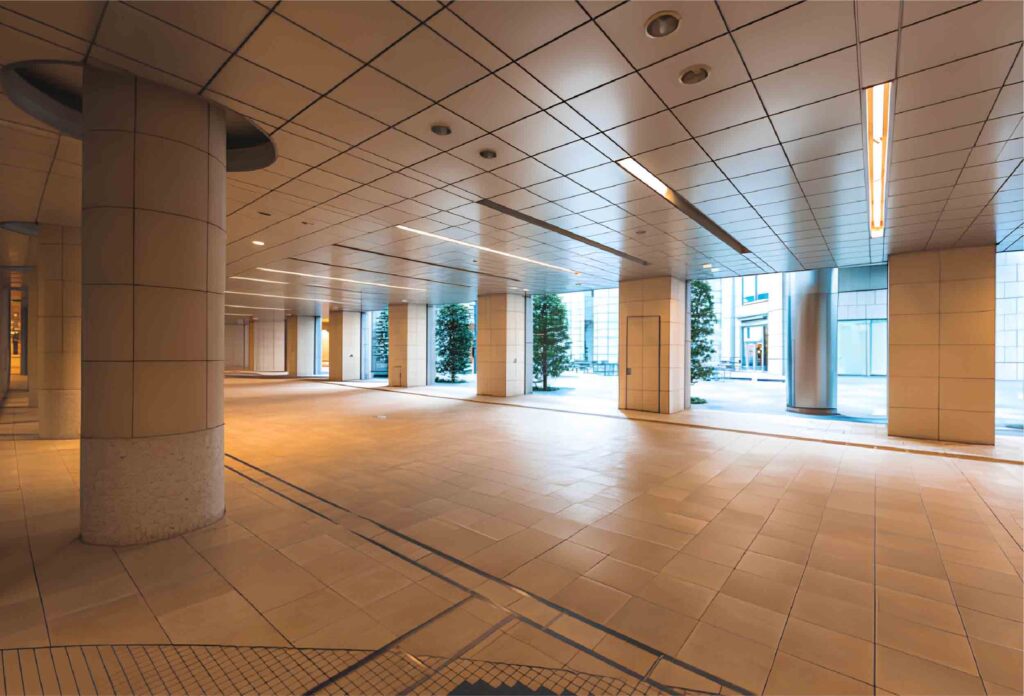
Best for: Bathrooms & laundry areas, stylish finished basements, high-moisture basement zones
Ceramic and porcelain tiles are still a popular choice for basement flooring. Their strong surface makes them ideal for rooms like bathrooms, laundry areas, or even finished basements where moisture is a concern. These tiles block water naturally, which helps stop mold and mildew, especially important in below-ground spaces.
Porcelain is made from denser clay and baked at hotter temperatures. That process gives it extra strength and resistance to water. Because of this, it’s often the better pick for places that deal with more moisture or the chance of flooding. Homeowners get plenty of style options, too. Tiles come in many shapes, colors, sizes, and finishes, from smooth matte to bright glossy. You can mix and match to make a stylish basement floor that lasts.

Still, tile floors can feel cold and hard. That’s because they carry heat away quickly. Using radiant heating or an insulated layer underneath can fix that. Also, the surface below the tiles must be prepared properly. If it’s not flat or firm, the tiles could crack, and the grout may not hold up over time.
| PROS | CONS |
| Fully waterproof, non-porous surface | Requires a perfectly level and stable subfloor |
| Customization options for any décor style | Installation requires professional expertise |
| Exceptional durability and lifespan, lasts for decades with proper care | |
| Naturally resistant to mold, mildew, and bacterial growth |
3. Engineered Wood Flooring – Real Wood Veneer, Moisture-tolerant
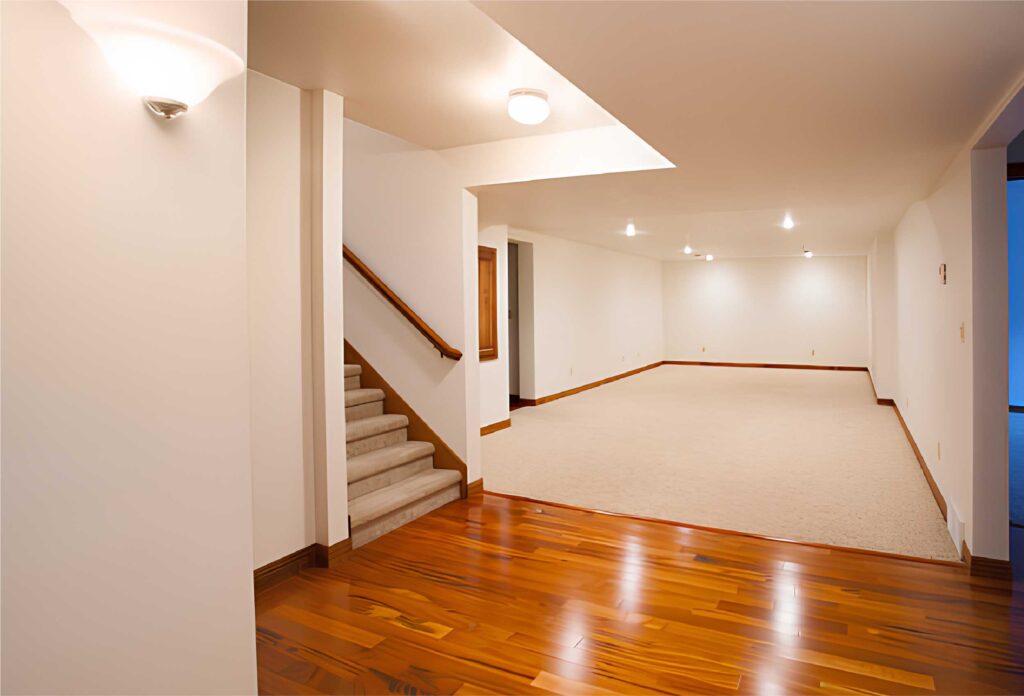
Best for: Living rooms, home offices, stylish finished basements, semi-dry basement environments
Engineered wood flooring uses a real hardwood veneer attached to tough layers underneath. These inner layers, usually plywood or high-density fiberboard, give the flooring its strong structure. This build holds up better than solid hardwood, especially in basements where temperature and humidity change often.
Engineered wood flooring doesn’t handle water like waterproof flooring does. Still, it manages moisture better than solid hardwood. When installed above a vapor barrier and on a well-prepared subfloor, the risks from basement dampness drop significantly. You also get that rich, natural wood look that adds warmth to spaces like home theaters, lounges, or office rooms downstairs. That look can even help raise your home’s resale value. Radiant heating works great with it, too, bringing extra comfort when the floor gets cold.
Even so, high humidity over time or standing water can still harm the top wood layer. That’s why this flooring fits best in basements that stay dry or just slightly moist, where there’s proper moisture control in place.
| PROS | CONS |
| Authentic hardwood look and texture for natural warmth and elegance | Higher upfront cost |
| More dimensionally stable than solid wood | Requires professional installation |
| Better resistance to moisture fluctuations | |
| Adds significant resale value |
4. Carpet Tiles – Modular, Sound-dampening, Replaceable
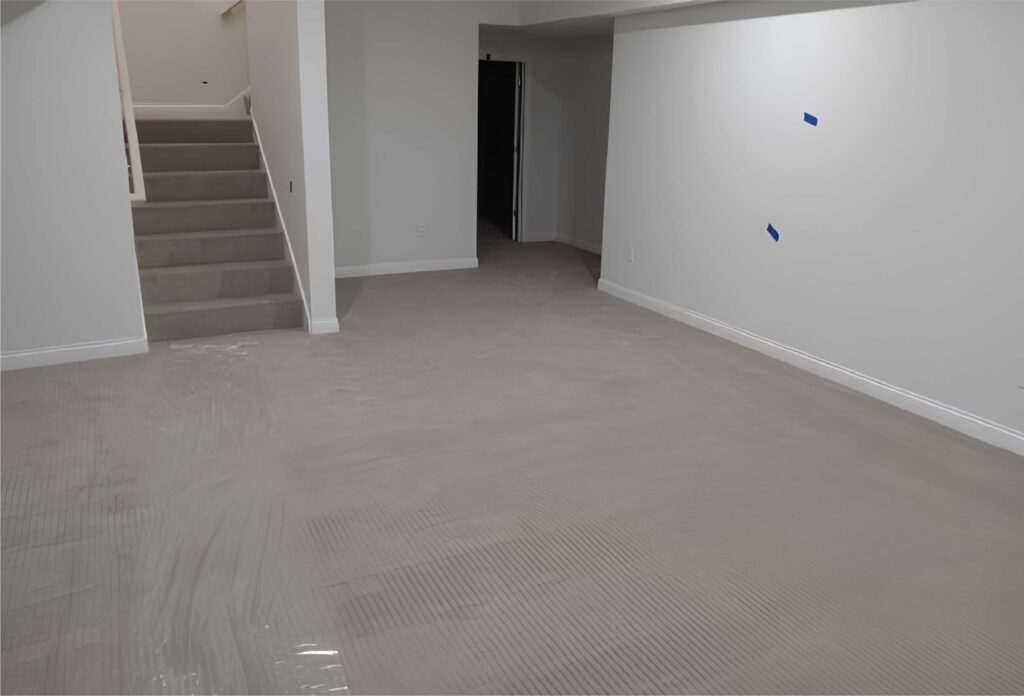
Best for: Kids’ playrooms, home theaters, insulated basement areas, family-friendly basement zones
Carpet tiles are modular, square carpet sections designed for easy installation and replacement, making them a highly practical choice for basements prone to occasional moisture or staining. A soft, warm surface beneath your feet makes basements feel cozier compared to solid floors when using these tiles. Noise gets absorbed too, making these tiles a smart pick for spaces where sound matters, like playrooms or media rooms.
In damp basements, synthetic carpet tiles with backing that fights moisture and microbes help stop mold growth. Their design lets you lift and swap out just the damaged parts instead of replacing everything, which saves money. Homeowners often prefer carpet tiles because installing them is simple, and they adjust well to uneven floors. Still, since these tiles don’t handle water well, laying down a moisture barrier or a basement-friendly underlayer first is key. This prevents mold and odors from building up in wet conditions.
| PROS | CONS |
| Modular design allows easy replacement of damaged or stained tiles | Shorter lifespan compared to hard surface flooring options |
| Excellent acoustic insulation to reduce basement noise levels | Not fully waterproof—only water-resistant versions available |
| Suitable for DIY installation, saving on labor costs | |
| Anti-microbial backing resists mold and mildew |
5. Laminate Flooring – Affordable, Water-resistant Options
Best for: Budget-friendly basement renovations, finished basements with controlled moisture, DIY projects
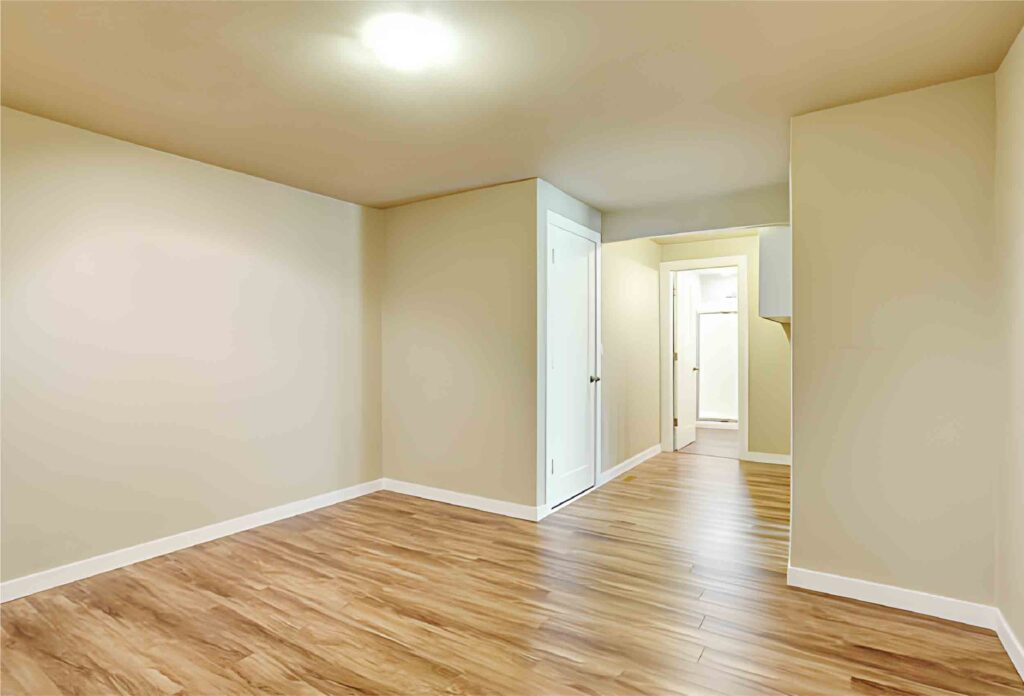
Looking for a budget-friendly floor that resembles wood or stone? Laminate flooring achieves this with a high-res photo layer beneath a clear, durable surface layer. Its core is high-density fiberboard, strong and easy to install using a floating click-lock method.
Laminate’s downside has been its sensitivity to water, often swelling or warping when wet. Improvements in manufacturing now make some laminate options water-resistant and moisture-friendly. This change increases its usefulness for basement rooms where moisture control is good. Homeowners often pick laminate for its cost savings compared to engineered hardwood or tile, as it still looks appealing and requires little care.

It shines in dry basements or spots equipped with vapor barriers and underlayments that stop moisture. The scratch-resistant surface holds up well to daily wear. Finished basements, guest rooms, and casual spaces benefit from laminate’s mix of durability and style.
| PROS | CONS |
| Highly affordable compared to hardwood and tile alternatives | Requires a moisture barrier and underlayment to protect core layers |
| Easy DIY-friendly installation with floating floor systems | Less durable than vinyl plank or tile flooring in high-moisture environments |
| Scratch-resistant wear layer suitable for moderate traffic areas | |
| Compatible with underfloor insulation and vapor barriers |
6. Epoxy Flooring – Seamless, Chemical-resistant Coating
Best for: Utility basements, Laundry rooms, Workshops & garages, Industrial-style basement spaces
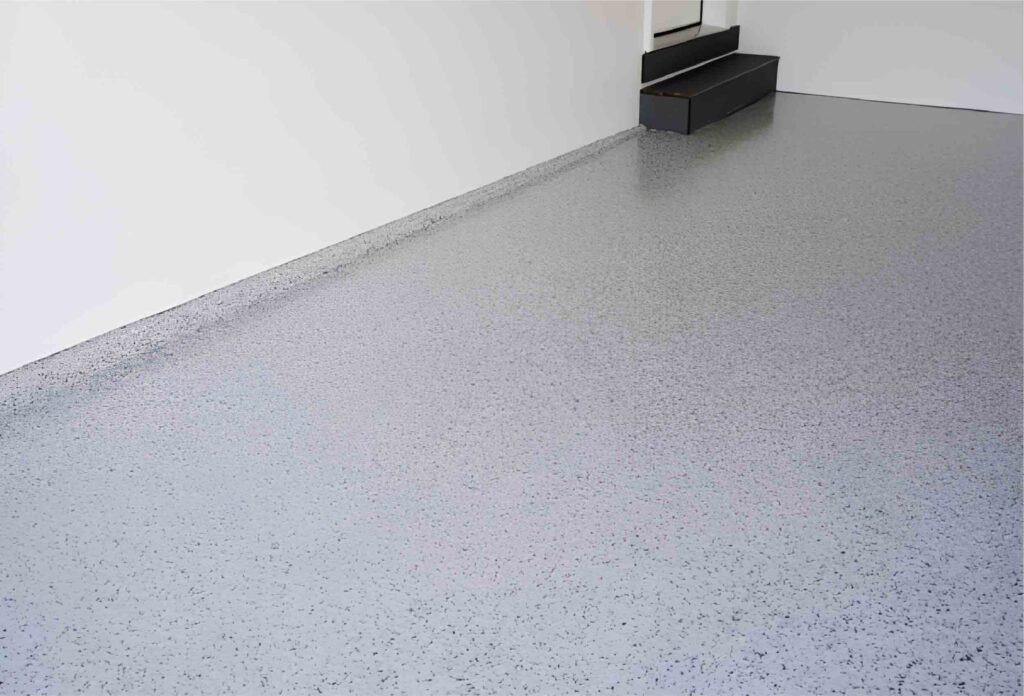
Epoxy flooring works as a strong, long-lasting coating that bonds right onto concrete floors. It creates one solid, seamless layer that handles wear and water well. Many people use it in garages, workshops, or utility basements because it holds up against chemicals, tools, and heavy use.
This type of flooring gets its strength from a mix of resin and hardener. Together, they form a chemical bond with the concrete. That bond acts like a shield, tough enough for equipment and constant use, even in spaces where dampness is a concern.
Once the surface is cleaned and prepped right, the epoxy sticks firmly to the concrete, even if it has small cracks. It seals the floor so moisture can’t seep through. That helps keep out mildew and mold, which is especially important in lower-level rooms. While epoxy often covers work areas, it’s not just for plain looks anymore. Homeowners can now pick from glossy metallic styles, speckled flake patterns, or quartz textures to match both function and design.
| PROS | CONS |
| Highly durable and 100% waterproof, protection against moisture and spills | Hard and cold underfoot |
| Chemical, stain, and abrasion resistant, | Poor installation or moisture issues can lead to peeling or bubbling over time |
| Customizable finishes and colors | |
| Seamless, non-porous surface, easy to clean and maintain |
7. Rubber Flooring – Shock-absorbing, Slip-resistant
Best for: Home gyms, Kids’ play zones, Utility basements, High-impact activity areas
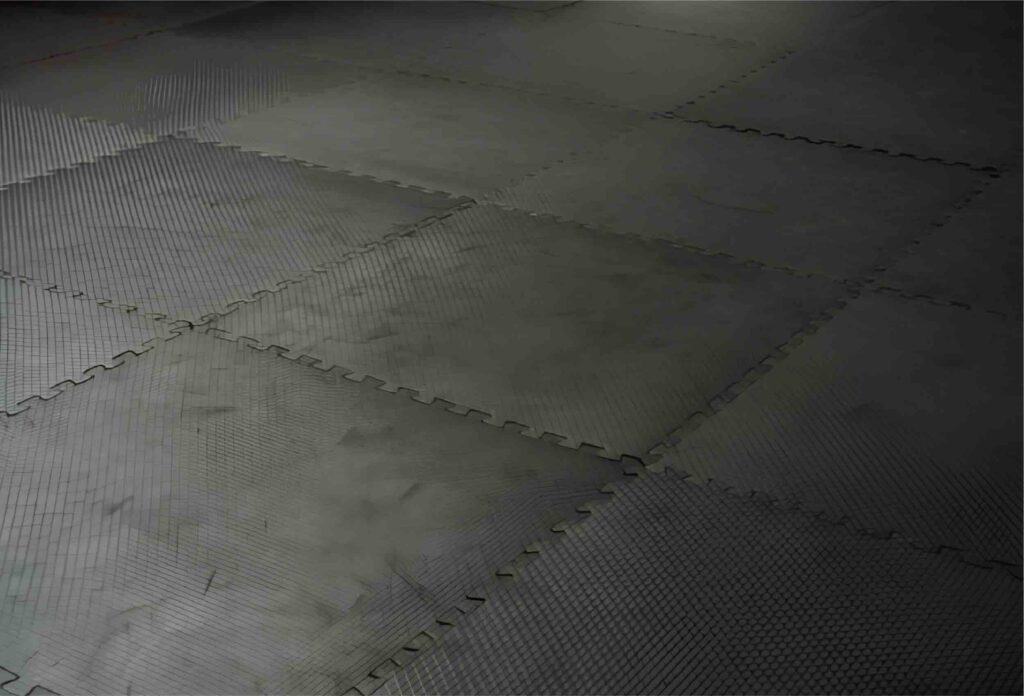
Rubber flooring comes in rolls or interlocking tiles, making it a flexible and strong choice. It absorbs shock well, resists slipping, and holds up under heavy use. This makes it ideal for home gyms, playrooms, basements, and workshops where safety and durability matter most.
This flooring naturally keeps water out and handles spills easily, but it’s not fully waterproof unless experts seal the seams and edges carefully. Its dense, springy surface can take heavy weights and repeated impact, lasting a long time. Cleaning is simple since rubber doesn’t soak up dirt or sweat, helping keep spaces clean and fresh.
Though rubber floors work very well, their look is often plain and industrial. There aren’t many design styles to pick from compared to other decorative floors. Also, a faint rubber smell may come from new floors, but usually fades soon after installation.
| PROS | CONS |
| Excellent shock absorption and slip resistance for active basement spaces | The initial rubber odor can be noticeable but fades over time |
| Naturally water-resistant, repels moisture and stains | Generally higher cost than basic flooring options like vinyl or carpet |
| Easy maintenance with simple cleaning requirements | |
| Provides sound dampening, reducing noise from exercise or play |
What to Consider Before Choosing Basement Flooring?
Many people don’t realize how tricky basement flooring can be. A good-looking option isn’t enough down there. Moisture can creep in, and poor insulation can make the space cold. You also have to check how the subfloor supports your choice. All these details matter. Skipping them might lead to damage or discomfort later on.
So, before choosing, it’s smart to learn what works best in a basement. The right floor depends on more than just appearance; it depends on smart planning, too.
1. Moisture and Water Resistance
Moisture easily finds its way into basements. Because they sit lower than the ground level, they can get damp from groundwater, increased humidity, or even flooding during storms. Finished basements aren’t safe from these problems either. You might see water droplets forming on the concrete floor or notice small leaks when it rains heavily.
Keep this in mind: Stick to floor types that handle water without damage. Go for ceramic tile, epoxy coatings, or LVP flooring, which work well in damp conditions. Avoid using hardwood or regular carpet rolls unless you’ve added a vapor barrier system and a raised subfloor beneath it.
2. Subfloor Type and Condition
Most basement floors consist of bare concrete slabs, which may be uneven, porous, or cracked. The subfloor must be assessed for leveling, structural integrity, and moisture emission before any flooring installation.
Common Practices
- Conduct a calcium chloride moisture test to measure vapor emission.
- Apply a self-leveling compound to correct minor dips or slopes.
- A dimpled underlayment or vapor barrier membrane goes under the floor to stop moisture and provide some insulation. It forms a thin layer that protects the floor from dampness coming through the concrete.
3. Intended Basement Use
Installing a vapor barrier membrane or placing a dimpled underlayment under the flooring creates space for moisture control. It also helps soften the feel between the concrete and your finished surface.
Recommendations by Use
- Living areas: Go for engineered wood, LVP, or carpet tiles for warmth and aesthetic appeal.
- Workout or play zones: Choose rubber flooring or interlocking foam mats for impact resistance.
- Utility basements: Opt for epoxy coatings or vinyl sheet flooring for durability and easy cleaning.
4. Thermal Insulation and Comfort
Basement floors usually feel colder than the rest of the house. That’s because they sit right on the ground. This direct contact leads to a chillier environment, which can feel unpleasant, especially in the winter months. Solutions
- Install insulated subfloor panels to create a thermal break.
- Use flooring with built-in insulation properties, such as cork-backed vinyl or carpet tiles.
- Consider adding radiant floor heating systems under tile or engineered wood for improved comfort.
5. Budget and Installation Costs
Flooring costs in a basement can add up due to the need for specialized materials and additional prep work. Always account for:
- Material cost per square foot
- Underlayment, adhesive, and installation tools
- Professional installation fees if required (especially for epoxy or tile)
Pro Tip: Vinyl plank flooring offers one of the best cost-to-performance ratios for basements. It’s affordable, waterproof, and DIY-friendly.
What Flooring is Not Recommended For Your Arizona Homes’ Basements?
Common flooring types to avoid in basements include:
- Solid Hardwood Flooring: Solid hardwood flooring is loved for its natural look, but it doesn’t do well with moisture. When placed below ground level, it can warp, cup, or even develop mold. Because it soaks up humidity easily, basements need strong moisture control before installing it.
- Bamboo Flooring: Bamboo flooring is tough and good for the environment. However, it reacts much like hardwood. High humidity in basements can cause it to swell or lose shape, so it’s risky without proper moisture barriers.
- Traditional Carpet (Broadloom):
- Traditional wall-to-wall carpet often traps moisture. This can lead to mold and mildew growth. Drying it after floods or leaks is hard, and if wet for too long, bad smells and damage to the floor underneath may happen.
- Non-Water-Resistant Laminate: Broadloom carpet often traps moisture easily. Mold and mildew can grow inside it. Floods or leaks make drying tough. Prolonged dampness may create bad smells and damage the floor underneath the carpet.
- Cork Flooring: While cork has some natural moisture resistance, it is still prone to damage from prolonged exposure to basement dampness and water intrusion, making it less ideal unless paired with excellent waterproofing.
The Bottom Line
Basements might sit at the bottom of your house, but they don’t have to be the bottom of your design priorities. The right flooring choice defines how that space is used, feels, and holds up years down the line. For whatever purpose you are using the basement – a gym, a den, or just reclaiming that square footage, your floor sets the tone.
Not every option will fit your basement, but the right one will feel like it always belonged there. If you are weighing choices or haven’t decided on any yet, call us at (+1) 480-487-4649 and we’ll guide you through the right flooring decision.
